
The Stories Behind Our One-of-a-Kind Nature Ruins

Nature has a way of reclaiming what was once built by human hands. The ruins scattered across various landscapes tell tales of history, culture, and the relentless passage of time. These remnants serve as a bridge between the past and the present, inviting us to explore the stories hidden within their crumbling walls. In this post, we will delve into the fascinating narratives behind some of the most unique nature ruins around the world, uncovering the secrets they hold and the lessons they impart.
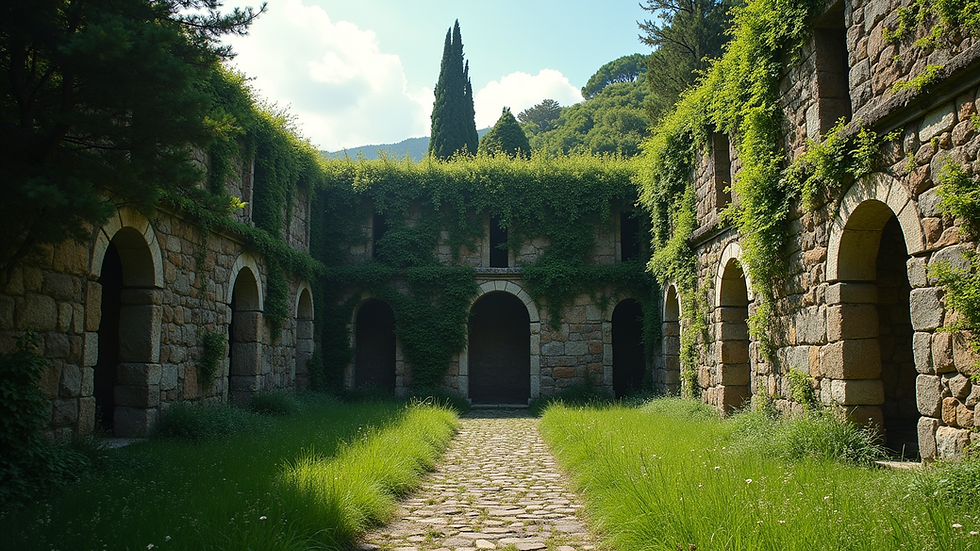
The Allure of Nature Ruins
Nature ruins are not just remnants of human civilization; they are a testament to the resilience of the natural world. As plants and wildlife reclaim these spaces, they create a unique blend of history and ecology. This phenomenon raises questions about our relationship with nature and the impermanence of human achievements.
What Makes Nature Ruins Unique?
Historical Significance: Many nature ruins have rich histories that reflect the cultures and societies that once thrived in those areas. They serve as physical reminders of human ingenuity and ambition.
Ecological Importance: These sites often become habitats for various species, contributing to biodiversity. The interplay between man-made structures and nature can create unique ecosystems.
Aesthetic Appeal: The juxtaposition of crumbling architecture and vibrant flora creates stunning visuals that attract photographers, artists, and nature lovers alike.
Cultural Narratives: Each ruin has its own story, shaped by the people who built it and the environment that has since enveloped it. These narratives can provide insights into historical events, societal changes, and cultural practices.
Notable Nature Ruins Around the World
1. The Ruins of Angkor Wat, Cambodia
Angkor Wat is one of the most famous temple complexes in the world, originally built in the early 12th century. Over time, the jungle has encroached upon this magnificent structure, creating a breathtaking scene where nature and architecture coexist. The roots of ancient trees intertwine with stone, showcasing the power of nature to reclaim its territory.
Historical Context: Angkor Wat was initially constructed as a Hindu temple dedicated to the god Vishnu. It later transformed into a Buddhist temple, reflecting the region's religious evolution.
Ecological Impact: The surrounding forest provides a habitat for various species, including endangered wildlife. Conservation efforts aim to protect both the ruins and the biodiversity of the area.
2. The Colosseum, Italy
The Colosseum in Rome is an iconic symbol of ancient Roman architecture. While it remains a popular tourist destination, parts of the structure have succumbed to the elements. Vines and plants have taken root in the cracks of the stone, illustrating the passage of time and the relentless force of nature.
Historical Context: Built in AD 70-80, the Colosseum was used for gladiatorial contests and public spectacles. Its grandeur reflects the engineering prowess of the Roman Empire.
Ecological Impact: The surrounding area has become a green space, providing a habitat for birds and small mammals. Efforts to preserve the Colosseum include managing the vegetation that grows on its structure.
3. The Abandoned Village of Kayaköy, Turkey
Kayaköy is a ghost village located in southwestern Turkey, abandoned in the 1920s. The stone houses and churches are now overrun by nature, creating a haunting yet beautiful landscape. The ruins tell the story of a once-thriving community that faced displacement and change.
Historical Context: The village was home to a Greek population until the population exchange between Greece and Turkey. The abandonment of Kayaköy left behind a poignant reminder of cultural shifts.
Ecological Impact: The ruins have become a sanctuary for various plant species and wildlife, showcasing the resilience of nature in the face of human absence.
4. The Ruins of Tikal, Guatemala
Tikal is one of the largest archaeological sites of the pre-Columbian Maya civilization. The towering pyramids and temples are now enveloped by the lush rainforest, creating a striking contrast between the ancient structures and the vibrant ecosystem.
Historical Context: Tikal was a major city during the Maya Classic Period, flourishing between 200 and 900 AD. Its ruins reflect the architectural and cultural achievements of the Maya civilization.
Ecological Impact: The rainforest surrounding Tikal is home to diverse wildlife, including howler monkeys and toucans. Conservation efforts aim to protect both the ruins and the rich biodiversity of the area.
5. The Ruins of Pompeii, Italy
The ancient city of Pompeii was buried under volcanic ash after the eruption of Mount Vesuvius in AD 79. The ruins have been remarkably preserved, providing a snapshot of Roman life. Over time, nature has begun to reclaim parts of the site, with plants growing through the cracks of ancient streets.
Historical Context: Pompeii offers invaluable insights into Roman society, culture, and daily life. The preservation of the ruins allows researchers to study the past in unprecedented detail.
Ecological Impact: The surrounding area has become a natural reserve, supporting various species and promoting ecological balance. Efforts to manage vegetation growth are crucial for preserving the site.
The Lessons of Nature Ruins
The stories behind nature ruins extend beyond their historical and ecological significance. They offer valuable lessons about resilience, adaptation, and the interconnectedness of human and natural systems.
Embracing Change
Nature ruins remind us that change is inevitable. Just as civilizations rise and fall, so too does the landscape around us evolve. Embracing this change can lead to a deeper understanding of our place in the world.
The Importance of Conservation
The delicate balance between preserving historical sites and allowing nature to thrive is crucial. Conservation efforts must prioritize both the protection of cultural heritage and the promotion of biodiversity.
Finding Beauty in Impermanence
There is a unique beauty in the decay of nature ruins. The interplay between man-made structures and the natural world creates a visual narrative that speaks to the passage of time and the cycles of life.
Conclusion
The stories behind our one-of-a-kind nature ruins are a testament to the resilience of both human creativity and the natural world. As we explore these remarkable sites, we gain insights into our history, culture, and the environment. By appreciating the beauty and significance of these ruins, we can foster a deeper connection to the past and a greater commitment to preserving our shared heritage for future generations.
As you embark on your own journey to discover nature ruins, consider the stories they tell and the lessons they impart. Whether you visit Angkor Wat, Tikal, or the ghost village of Kayaköy, remember that these sites are not just remnants of the past; they are living narratives that continue to evolve.



Comments